7th Edition of Global Conference on
Addiction Medicine, Behavioral Health and Psychiatry
October 19-21, 2026 | Boston, Massachusetts, USA
Alcohol and Drug Counselors
Alcohol and Drug Counselors are trained professionals who provide support to individuals struggling with substance use and addiction. These counselors offer a compassionate, non-judgmental environment where clients can explore the underlying issues contributing to their substance use, such as trauma, mental health concerns, or difficult life circumstances. By using a variety of therapeutic approaches—such as cognitive-behavioral therapy (CBT), motivational interviewing, and family therapy—counselors help clients develop healthier coping mechanisms, manage triggers, and work towards sustained sobriety. They are a key part of the recovery journey, guiding individuals as they navigate the complex emotional and psychological challenges of overcoming addiction.
Alcohol and drug counselors work in a variety of settings, including private practices, addiction treatment centers, hospitals, and community outreach programs. They often collaborate with a multidisciplinary team of doctors, social workers, and mental health professionals to provide a comprehensive treatment plan tailored to each individual's needs. Beyond individual counseling, these specialists may also lead group therapy sessions where clients can share experiences, gain support, and build a sense of community. Alcohol and drug counselors play a critical role in helping individuals not only break free from addiction but also rebuild their lives, relationships, and personal well-being. Their expertise and dedication provide the essential support needed for long-term recovery and healthier, more fulfilling lives.
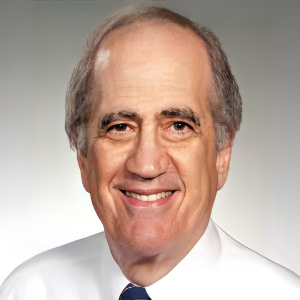
Frederick J Goldstein
Philadelphia College of Osteopathic Medicine, United States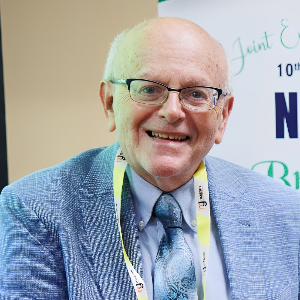
Nile Stanley
University of North Florida, United States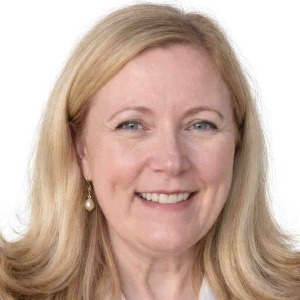
Ann Marie Leonard Zabel
Curry College and NEALAC Clinic , United States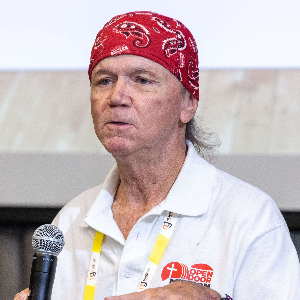
John Michael Weber
Trauma Healed Life Coach, United States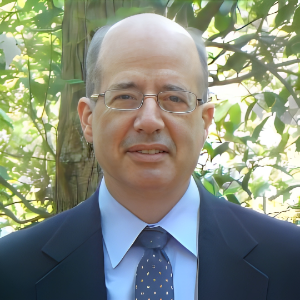
Denis Larrivee
University of Navarra, Spain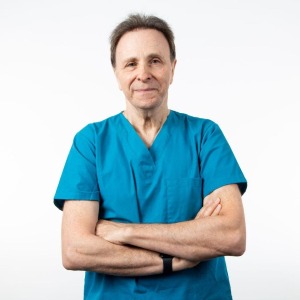
Steve Cohen
Medvesta Hypnosis Healthcare, United States
Andrew Drasen
A Vision of Hope Media, United StatesSubmit your abstract Today


Title : The storm within: Neuropsychological insights into dysregulation and substance use in the adolescent brain
Ann Marie Leonard Zabel, Curry College and NEALAC Clinic , United States
Title : The effect of Balint training on self-efficacy and empathy among medical students and the moderator role of personality traits and choice of specialty
Meni Koslowsky, Ariel University, Israel
Title : Sexualizing anxiety and anxiolytic sex: Misattribution of arousal
Sam Vaknin, Commonwealth Institute of Advanced Professional Studies, United Kingdom
Title : Dr Jekyll and Mr. Hyde revealed: Tales from the default mode network
Christopher Ashton, TeDDs on Chapel, Centre for Recovery, Canada
Title : Integrating bibliopoetry therapy and digital health technologies for inflammation management: A neuropsychosomatic perspective
Nile Stanley, University of North Florida, United States
Title : Addiction and the failure of meaning-forming
Jenni Guentcheva, GoodNeighbor LLC, United States