
7th Edition of Global Conference on
Addiction Medicine, Behavioral Health and Psychiatry
October 19-21, 2026 | Boston, Massachusetts, USA
Alternative Approaches towards Addiction
- Emotional Freedom Techniques
- Yoga and Mindfulness-Based Therapies
- Psychodrama
Medication or alcohol habit is an infection that changes the manner in which your cerebrum capacities over the long haul, causing serious longings for medications or liquor that lone a greater amount of that substance can appear to fulfil. Modification of the mind's science might be one of the principal actual changes that outcome from fixation, however it is typically not alone. Habit can influence an individual's long-and momentary wellbeing. Elective treatments incorporate exercise, craftsmanship, music and biofeedback. While these are not a swap for conventional habit medicines, they can be an enhancement that improves your outcomes. Similarly as conventional compulsion treatment is certifiably not a one-size-fits-all methodology, nor is elective fixation treatments. You may have to attempt at least one unique treatment for a while to figure out what medicines you react to. These medicines can be utilized in a joint effort with traditional medicines.
Restoration experts will work intimately with you to figure out what approaches and elective treatments may turn out best for your specific circumstance.
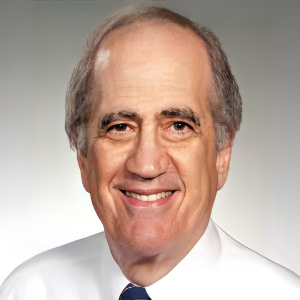
Frederick J Goldstein
Philadelphia College of Osteopathic Medicine, United States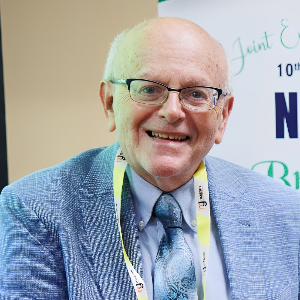
Nile Stanley
University of North Florida, United States
Ann Marie Leonard Zabel
Curry College and NEALAC Clinic , United States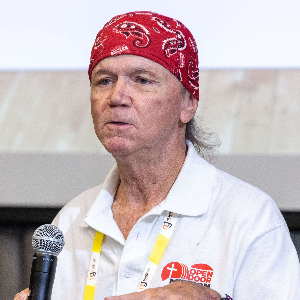
John Michael Weber
Trauma Healed Life Coach, United States
Denis Larrivee
University of Navarra, Spain
Steve Cohen
Medvesta Hypnosis Healthcare, United States
Andrew Drasen
A Vision of Hope Media, United StatesSubmit your abstract Today


Title : The storm within: Neuropsychological insights into dysregulation and substance use in the adolescent brain
Ann Marie Leonard Zabel, Curry College and NEALAC Clinic , United States
Title : The effect of Balint training on self-efficacy and empathy among medical students and the moderator role of personality traits and choice of specialty
Meni Koslowsky, Ariel University, Israel
Title : Sexualizing anxiety and anxiolytic sex: Misattribution of arousal
Sam Vaknin, Commonwealth Institute of Advanced Professional Studies, United Kingdom
Title : Dr Jekyll and Mr. Hyde revealed: Tales from the default mode network
Christopher Ashton, TeDDs on Chapel, Centre for Recovery, Canada
Title : Integrating bibliopoetry therapy and digital health technologies for inflammation management: A neuropsychosomatic perspective
Nile Stanley, University of North Florida, United States
Title : Addiction and the failure of meaning-forming
Jenni Guentcheva, GoodNeighbor LLC, United States