
7th Edition of Global Conference on
Addiction Medicine, Behavioral Health and Psychiatry
October 19-21, 2026 | Boston, Massachusetts, USA

Bipolar Disorders
Bipolar disorder is a mental health condition characterized by drastic shifts in mood, swinging between emotional highs (mania or hypomania) and lows (depression).. These mood fluctuations can vary in severity and duration, impacting an individual's thoughts, behaviors, and daily functioning. During manic episodes, individuals may experience heightened energy levels, euphoria, increased activity, racing thoughts, impulsivity, and reduced need for sleep. On the other hand, depressive episodes are marked by feelings of sadness, hopelessness, fatigue, changes in appetite or sleep patterns, difficulty concentrating, and thoughts of self-harm or suicide. Bipolar disorder can also involve mixed episodes, where symptoms of mania and depression occur simultaneously, causing significant distress and impairment.
While the precise cause of bipolar disorder remains elusive, it is thought to stem from a blend of genetic, biological, and environmental influences. A family history of bipolar disorder or related mood disorders heightens the likelihood of developing the condition.. Neurochemical imbalances in the brain, particularly involving neurotransmitters such as dopamine, serotonin, and norepinephrine, are thought to play a role in the onset and progression of bipolar disorder. Environmental stressors, traumatic experiences, substance abuse, and disruptions in circadian rhythms may also contribute to the development or exacerbation of symptoms. Treatment for bipolar disorder typically involves a combination of medication, psychotherapy, and lifestyle modifications aimed at stabilizing mood, managing symptoms, and preventing relapses. With accurate diagnosis and continuous management, individuals living with bipolar disorder can pursue fulfilling and productive lives.
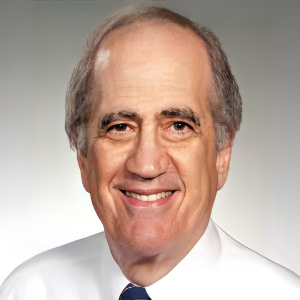
Frederick J Goldstein
Philadelphia College of Osteopathic Medicine, United States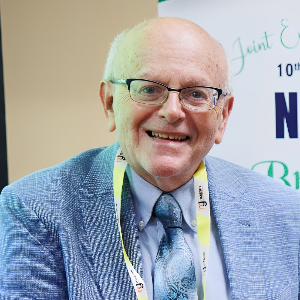
Nile Stanley
University of North Florida, United States
Ann Marie Leonard Zabel
Curry College and NEALAC Clinic , United States
John Michael Weber
Trauma Healed Life Coach, United States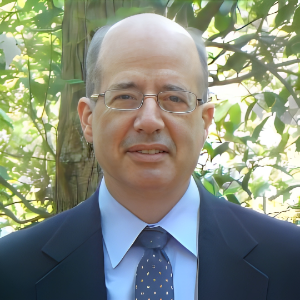
Denis Larrivee
University of Navarra, Spain
Steve Cohen
Medvesta Hypnosis Healthcare, United States
Andrew Drasen
A Vision of Hope Media, United StatesSubmit your abstract Today


Title : The storm within: Neuropsychological insights into dysregulation and substance use in the adolescent brain
Ann Marie Leonard Zabel, Curry College and NEALAC Clinic , United States
Title : The effect of Balint training on self-efficacy and empathy among medical students and the moderator role of personality traits and choice of specialty
Meni Koslowsky, Ariel University, Israel
Title : Sexualizing anxiety and anxiolytic sex: Misattribution of arousal
Sam Vaknin, Commonwealth Institute of Advanced Professional Studies, United Kingdom
Title : Dr Jekyll and Mr. Hyde revealed: Tales from the default mode network
Christopher Ashton, TeDDs on Chapel, Centre for Recovery, Canada
Title : Integrating bibliopoetry therapy and digital health technologies for inflammation management: A neuropsychosomatic perspective
Nile Stanley, University of North Florida, United States
Title : Addiction and the failure of meaning-forming
Jenni Guentcheva, GoodNeighbor LLC, United States