HYBRID EVENT: Join us in person in Boston, Massachusetts, USA or attend virtually from anywhere.

7th Edition of Global Conference on
Addiction Medicine, Behavioral Health and Psychiatry
October 19-21, 2026 | Boston, Massachusetts, USA

Cannabis addiction
Cannabis addiction
Cannabis is by far the substance that is misused the most. Using this excessively can lead to abuse, addiction, and dependency. As a result of frequent usage, the body grew used to the drug's presence there. Cannabis affects the central nervous system, which results in sensations of relaxation, mild euphoria, increased appetite, and issues with time and space perception. Cannabis misuse puts you at risk for both short-term harm and long-term harm, including the establishment of an addiction. The misconception that cannabis is a benign or innocuous substance is widespread. Cannabis abusers' bodies display a range of withdrawal symptoms when they attempt to quit using marijuana, including the following:
- experience strong urge to consume cannabis
- Difficulty in sleep
- Persistent Dizziness
- Difficulty in focusing and concentrating
- Sexual dysfunction
- Agitation
- Irritability
- Depression
Committee Members
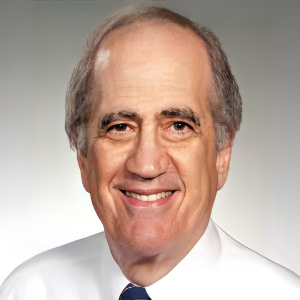
Frederick J Goldstein
Philadelphia College of Osteopathic Medicine, United States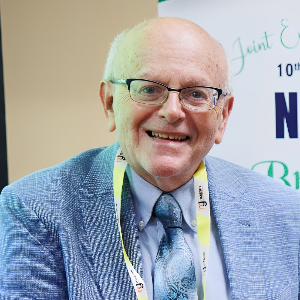
Nile Stanley
University of North Florida, United States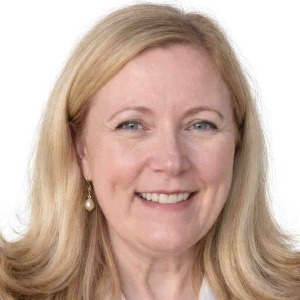
Ann Marie Leonard Zabel
Curry College and NEALAC Clinic , United States GAB 2026 Speakers
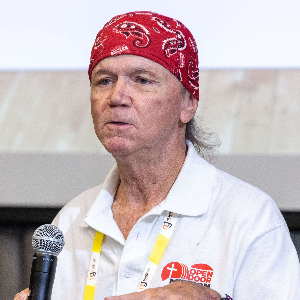
John Michael Weber
Trauma Healed Life Coach, United States
Denis Larrivee
University of Navarra, Spain
Steve Cohen
Medvesta Hypnosis Healthcare, United States
Andrew Drasen
A Vision of Hope Media, United StatesSubmit your abstract Today


Title : The storm within: Neuropsychological insights into dysregulation and substance use in the adolescent brain
Ann Marie Leonard Zabel, Curry College and NEALAC Clinic , United States
Title : The effect of Balint training on self-efficacy and empathy among medical students and the moderator role of personality traits and choice of specialty
Meni Koslowsky, Ariel University, Israel
Title : Sexualizing anxiety and anxiolytic sex: Misattribution of arousal
Sam Vaknin, Commonwealth Institute of Advanced Professional Studies, United Kingdom
Title : Dr Jekyll and Mr. Hyde revealed: Tales from the default mode network
Christopher Ashton, TeDDs on Chapel, Centre for Recovery, Canada
Title : Integrating bibliopoetry therapy and digital health technologies for inflammation management: A neuropsychosomatic perspective
Nile Stanley, University of North Florida, United States
Title : Addiction and the failure of meaning-forming
Jenni Guentcheva, GoodNeighbor LLC, United States